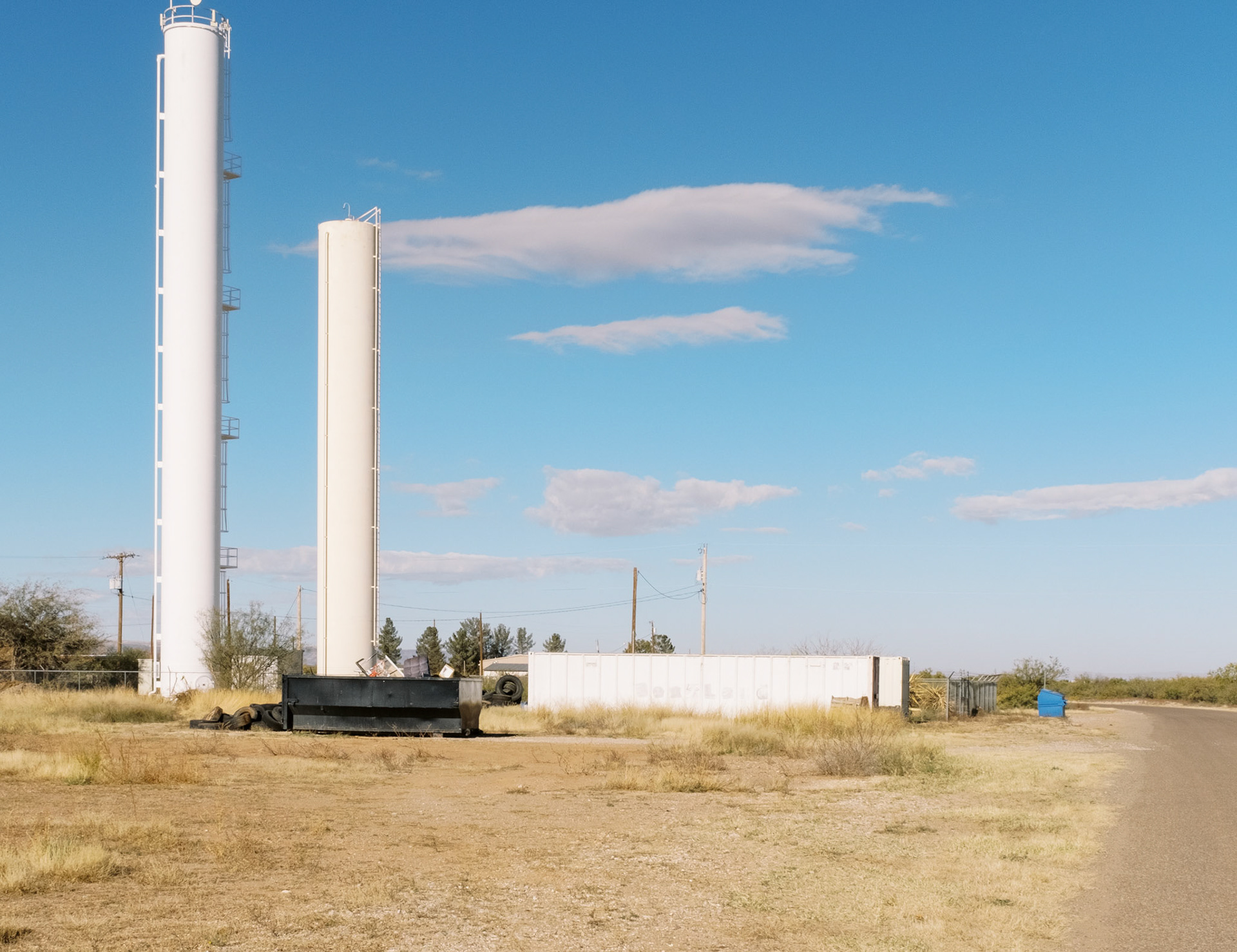
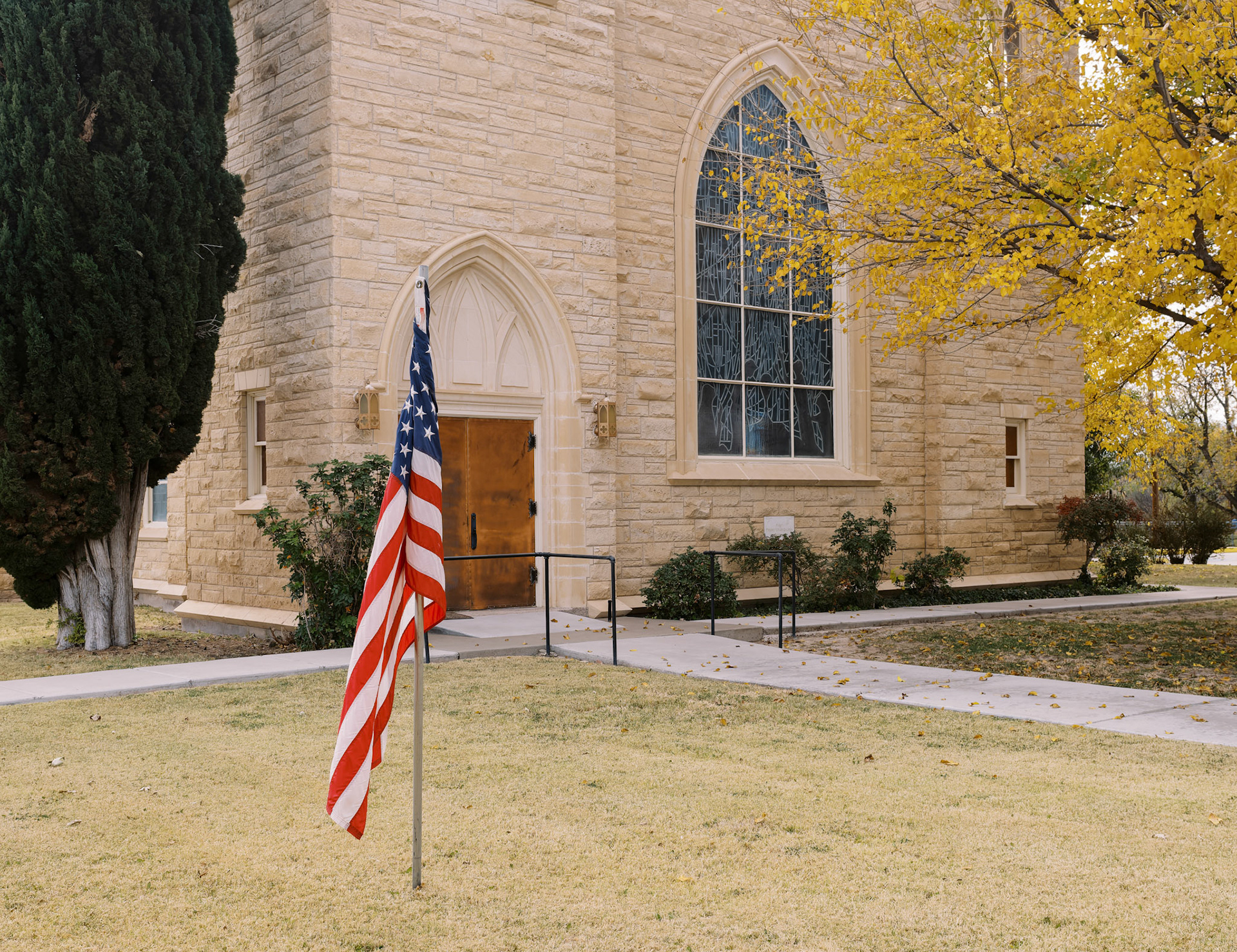
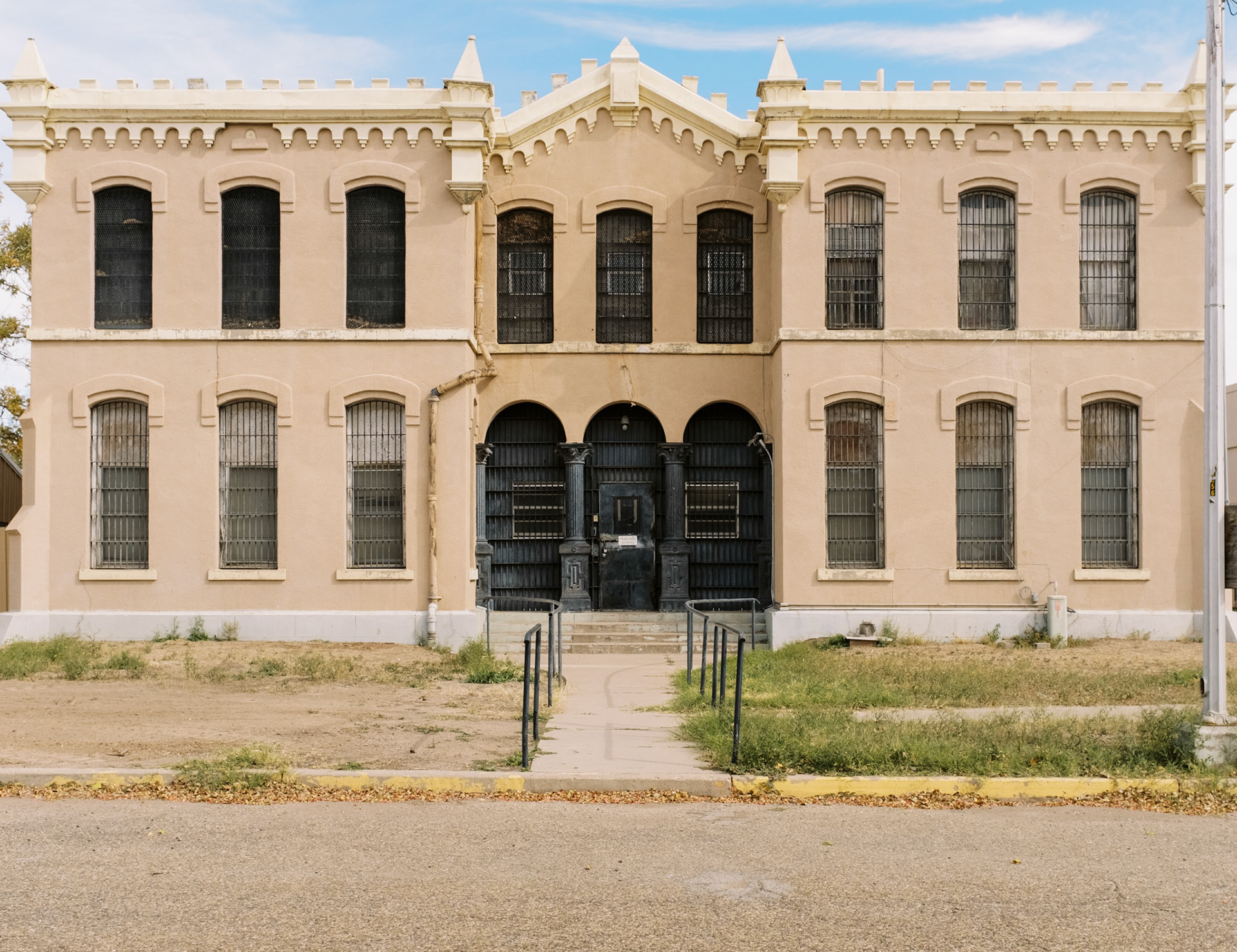
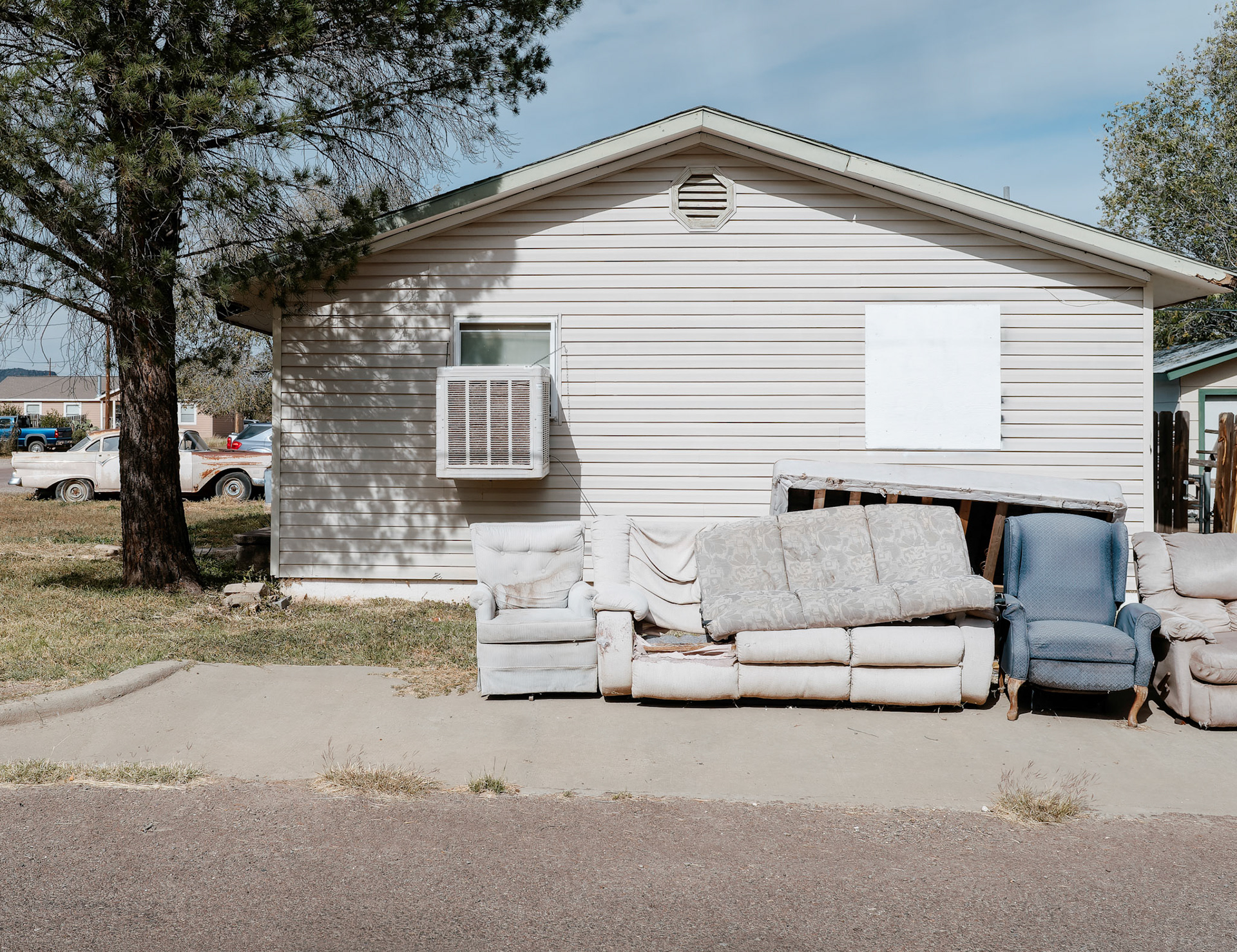
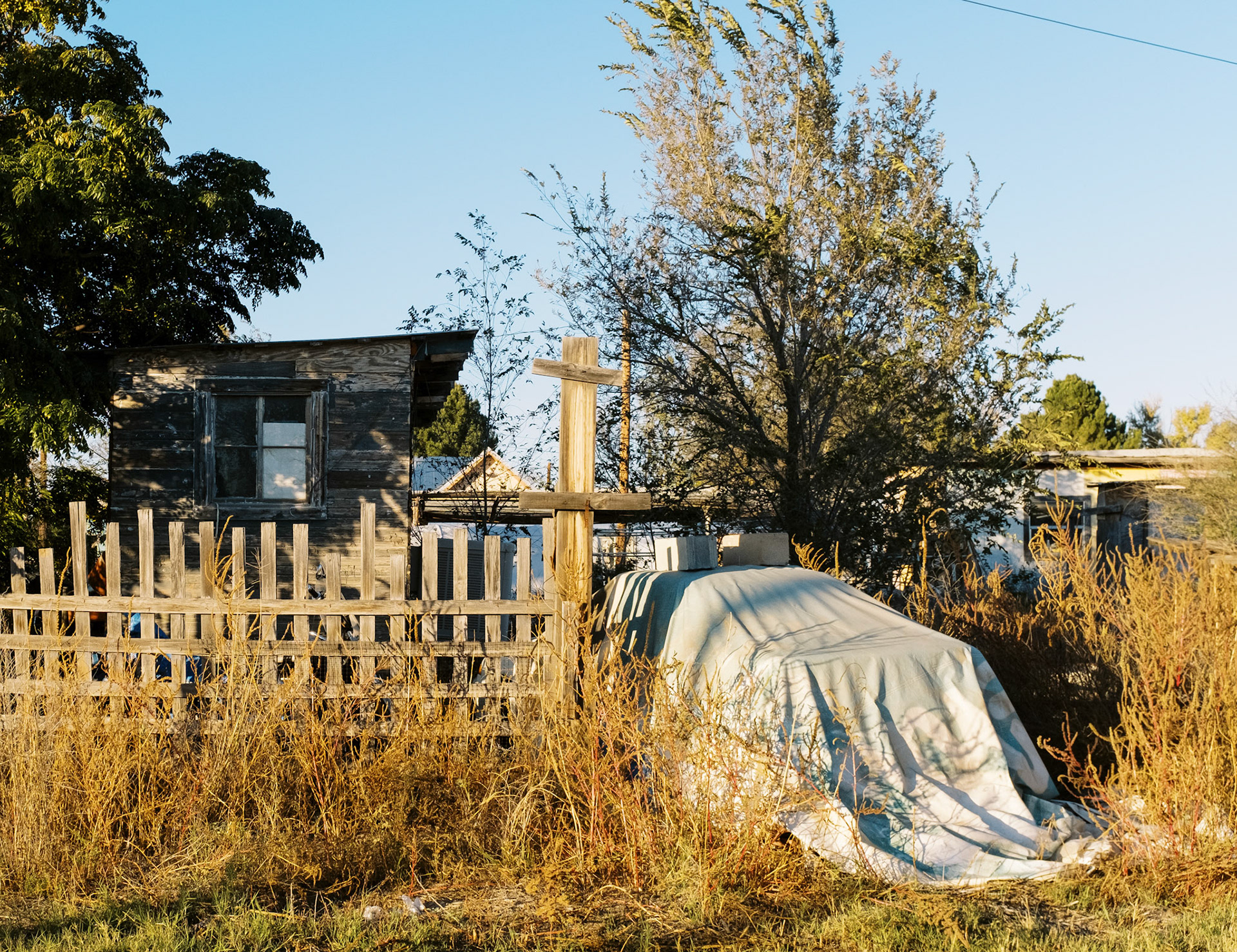
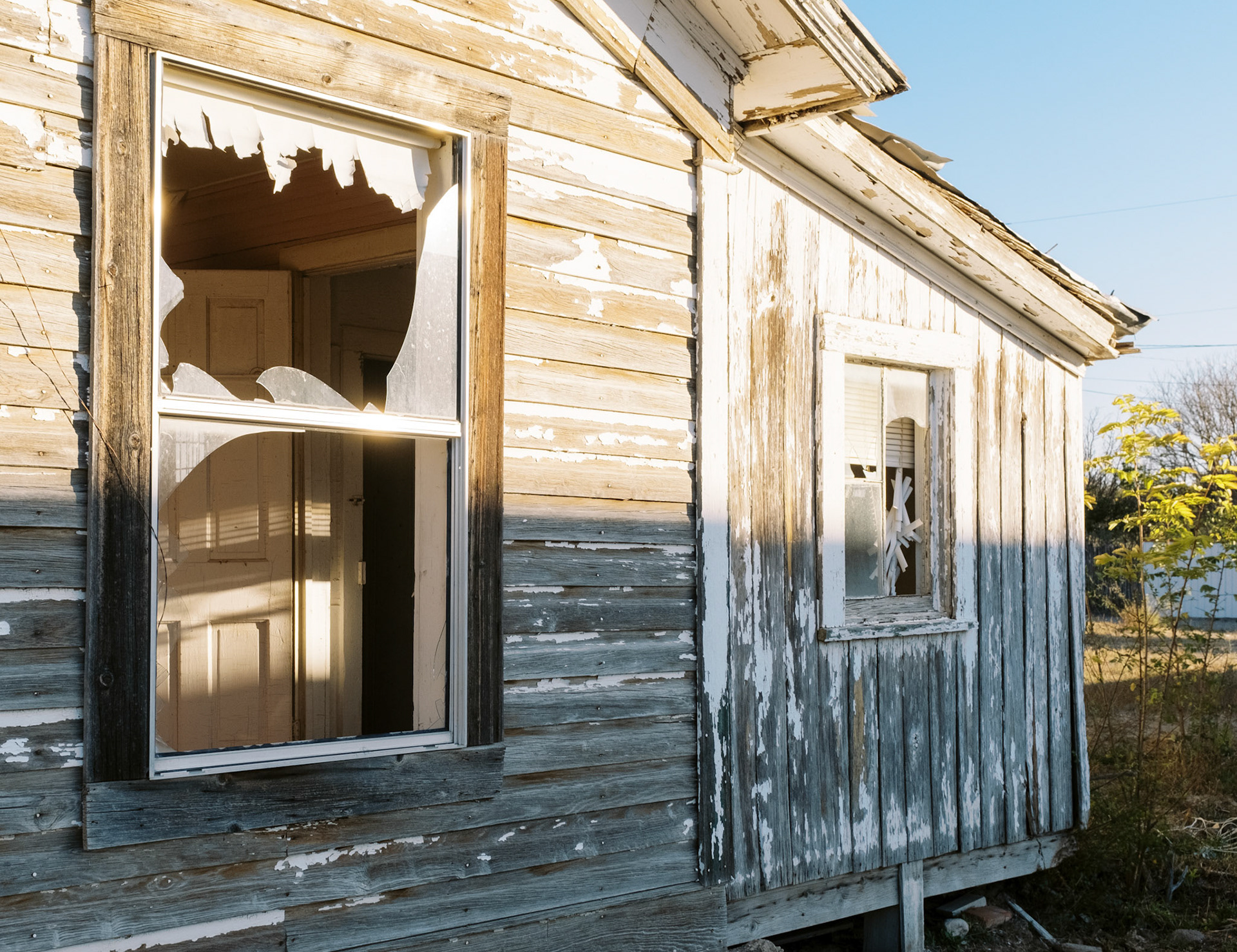
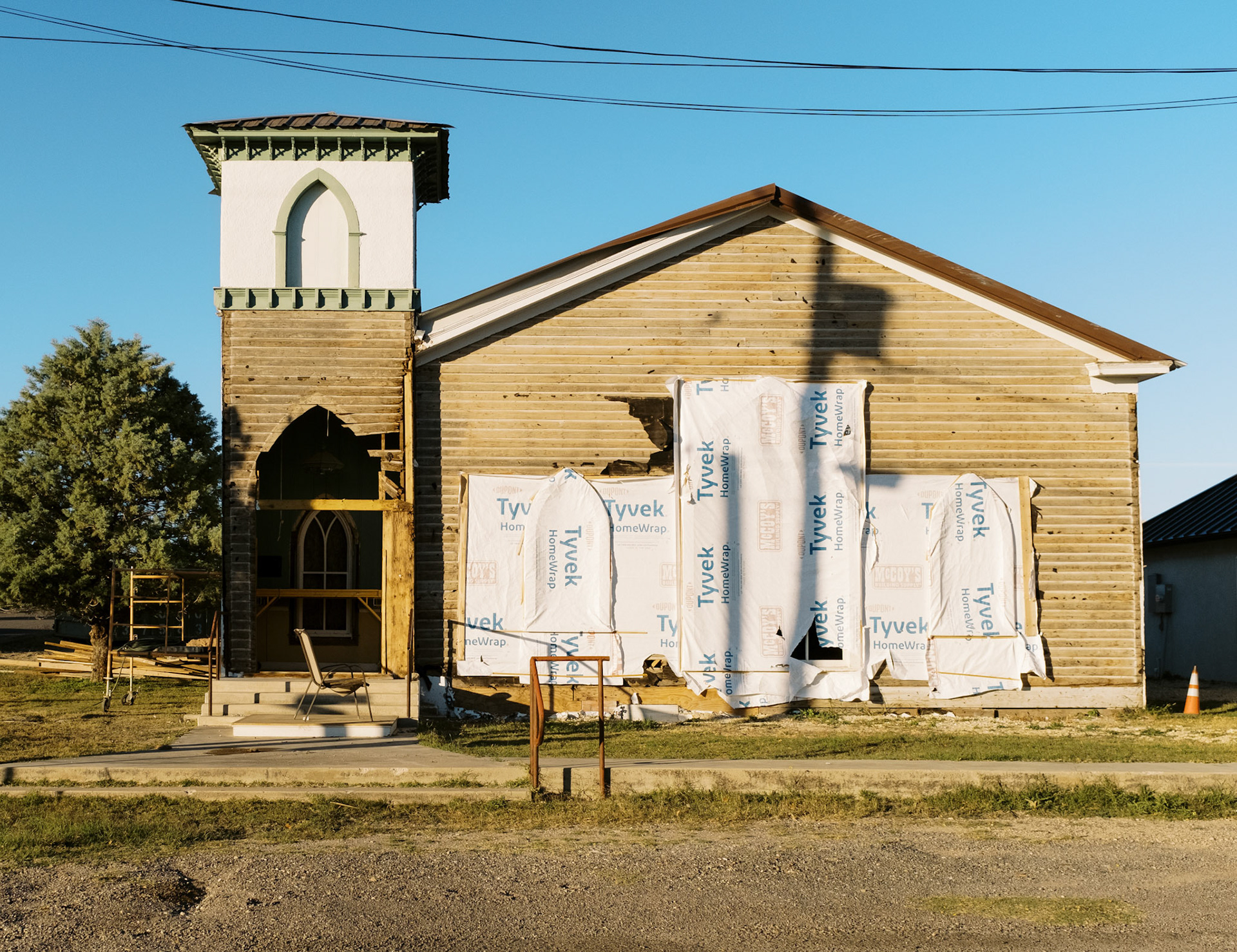
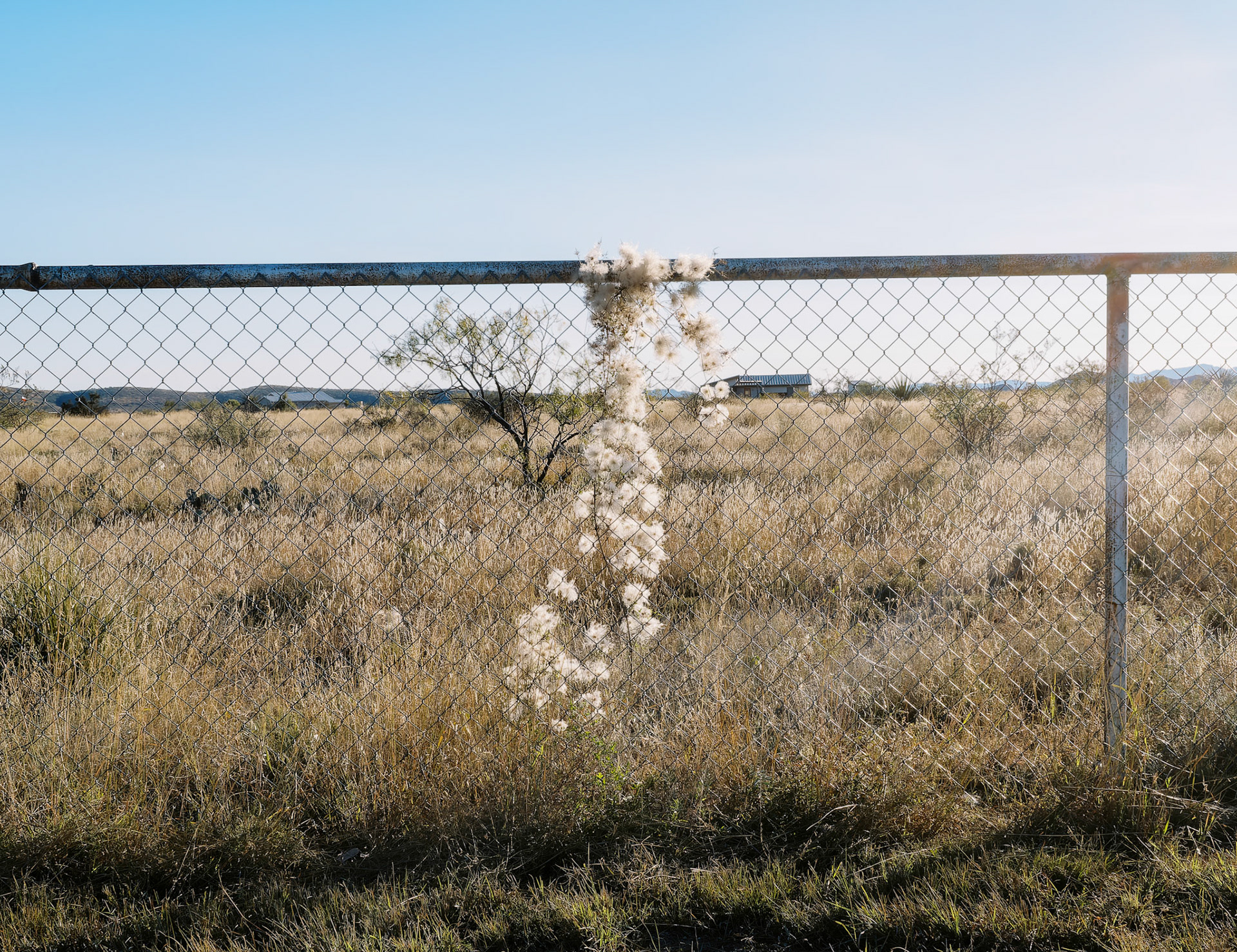
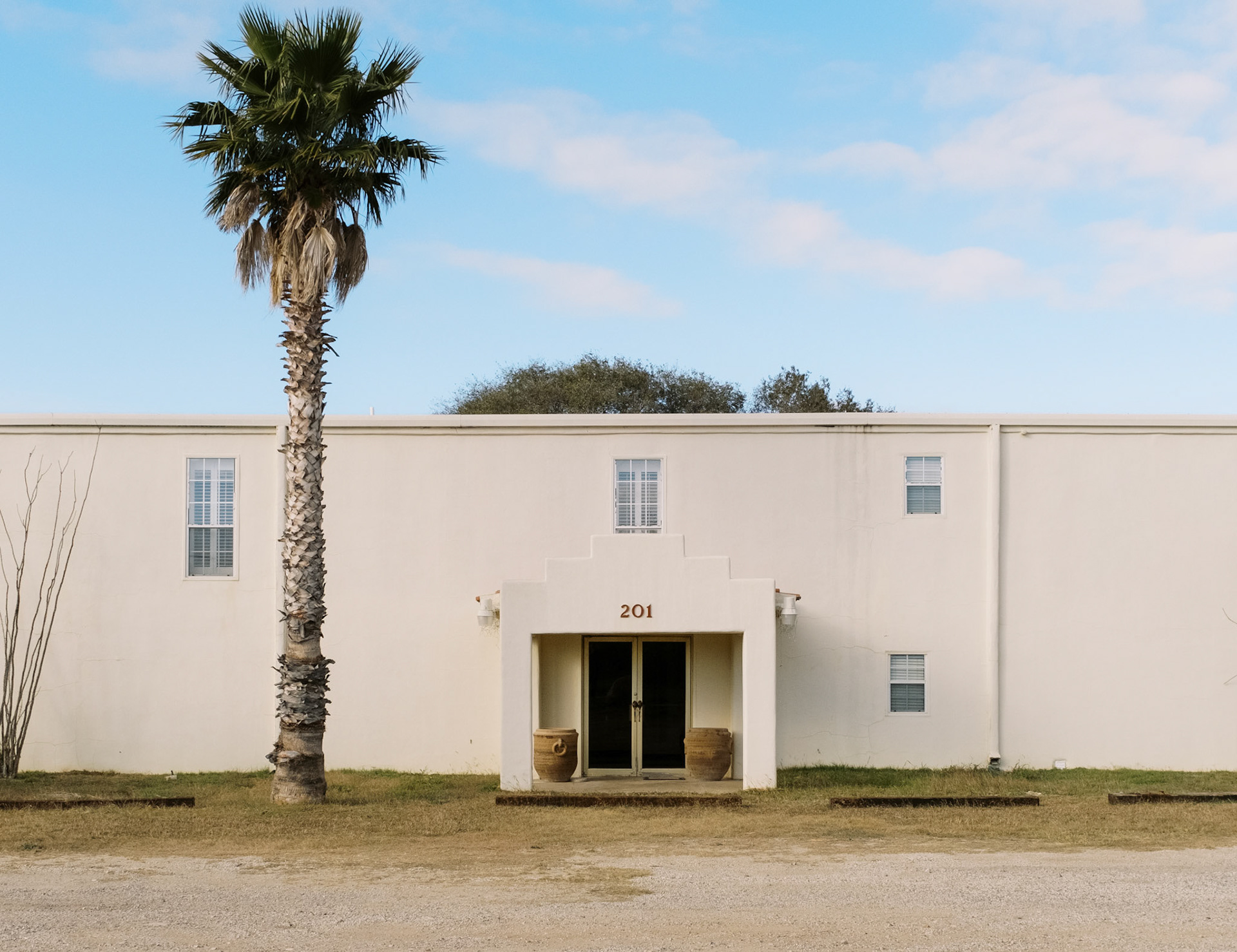
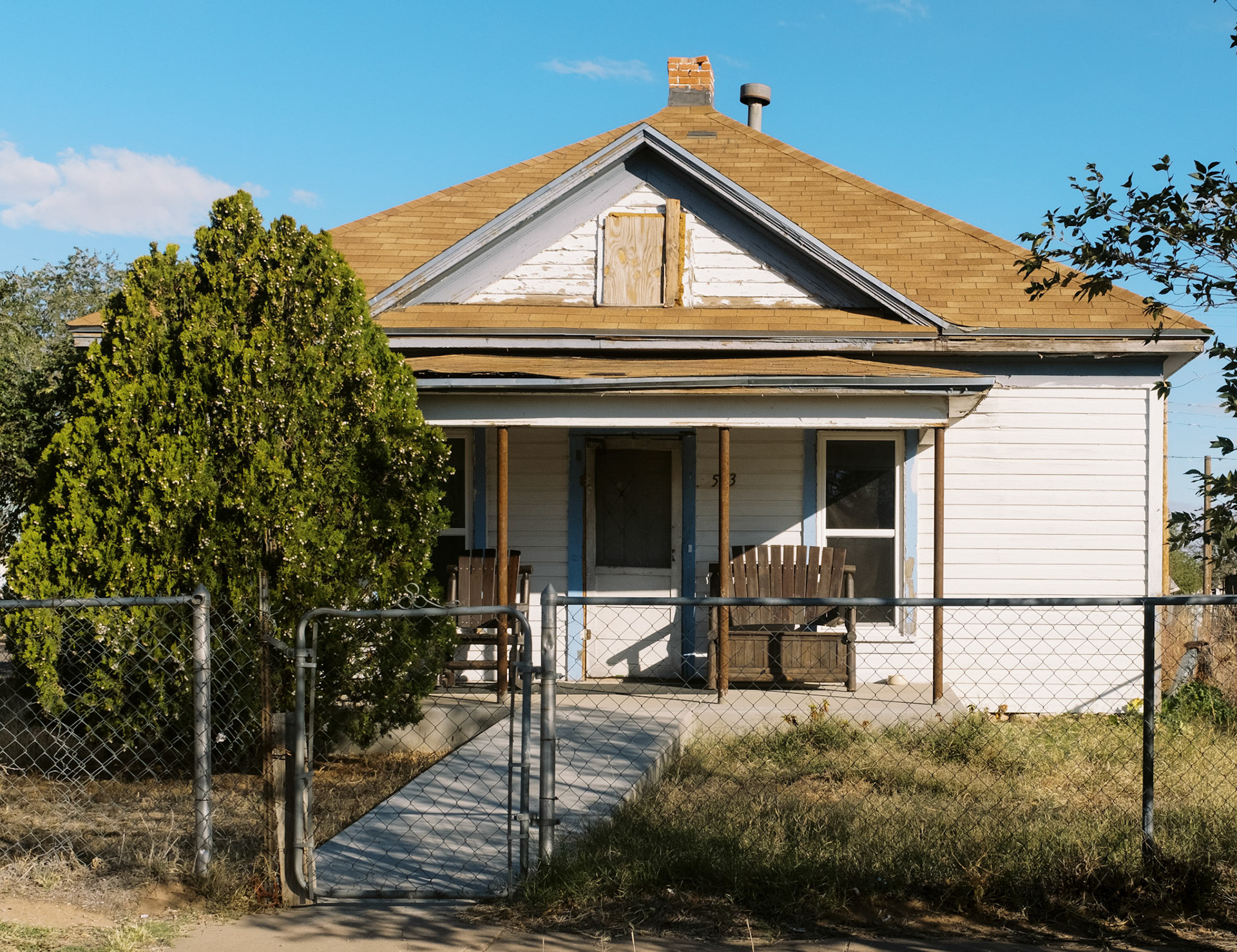
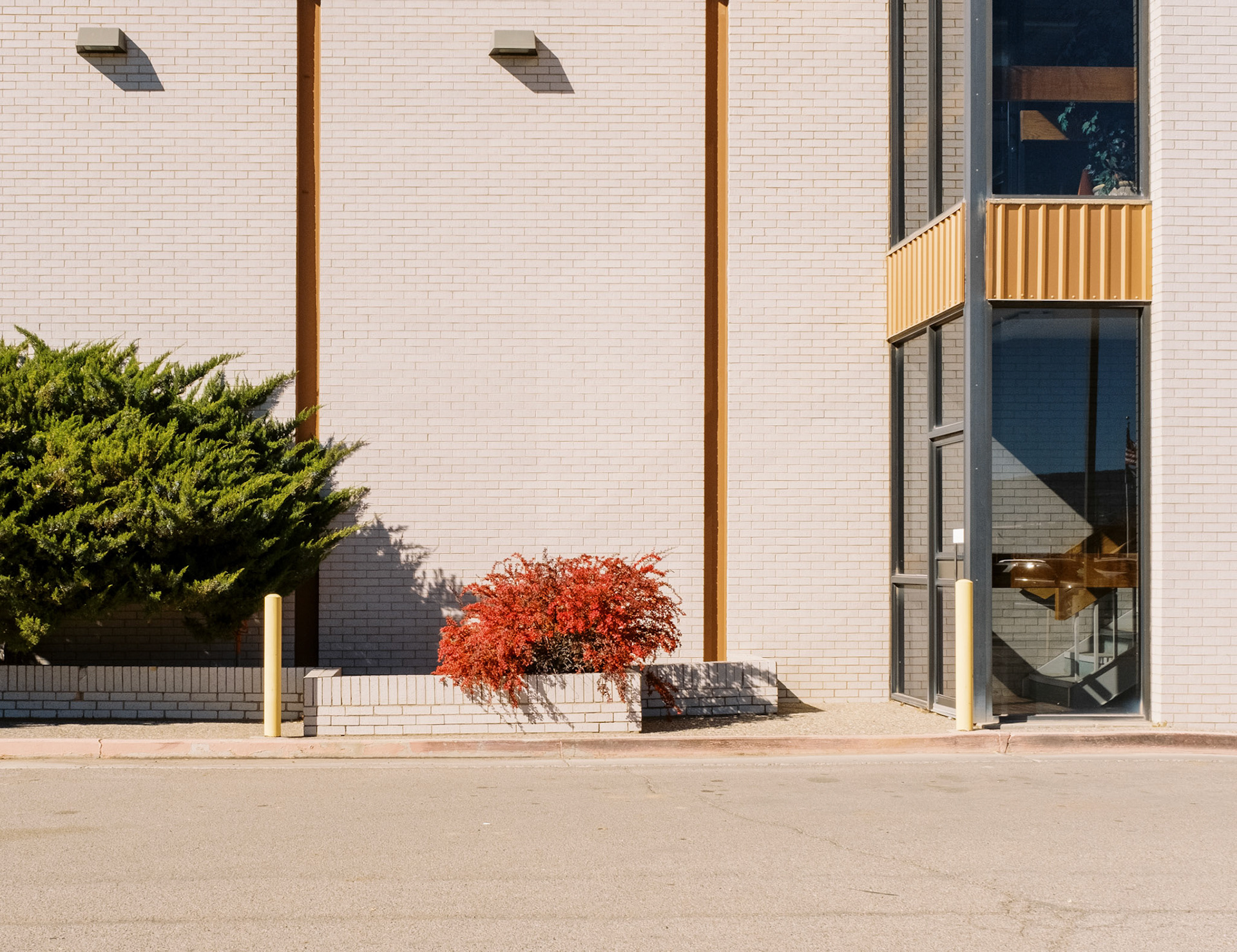
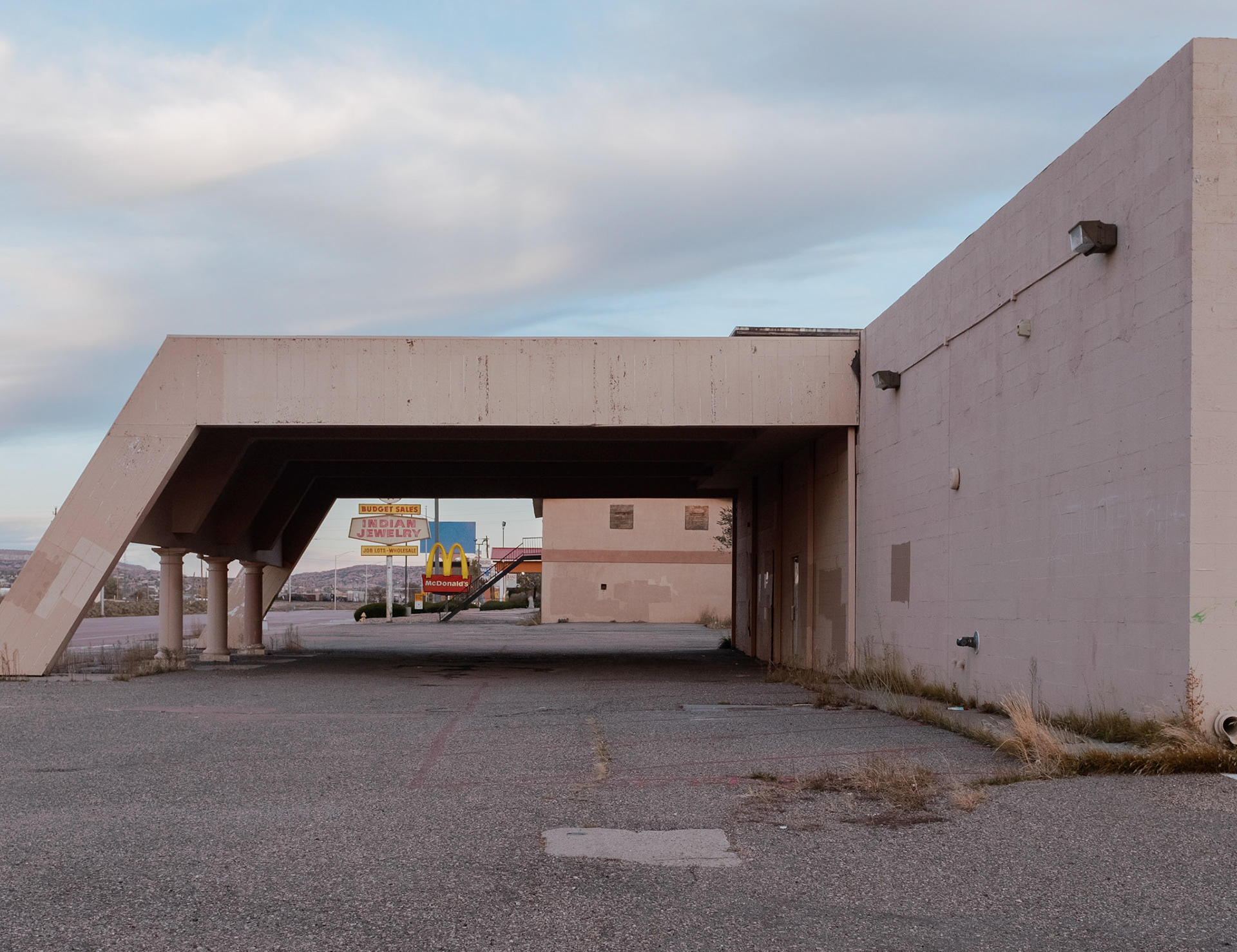
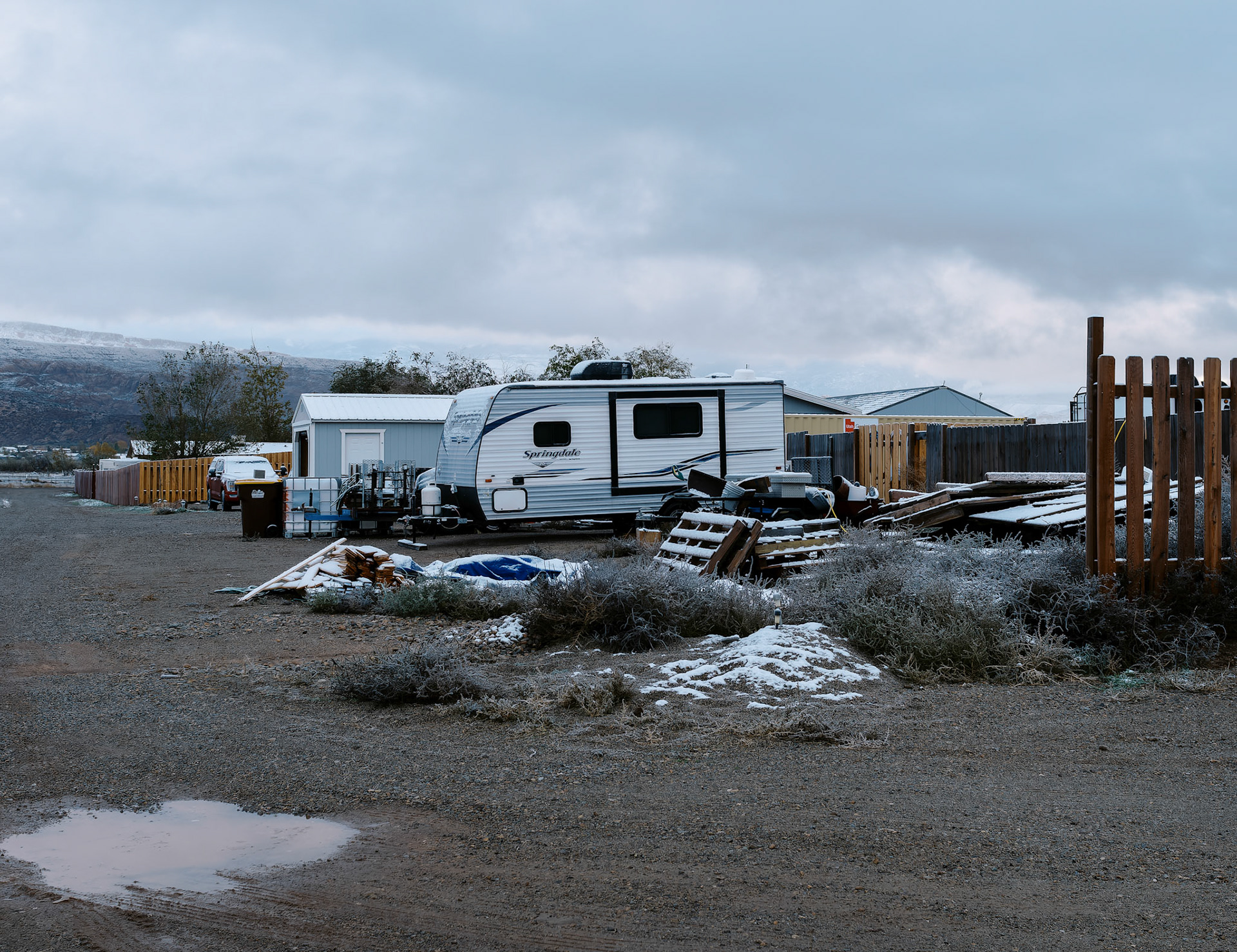
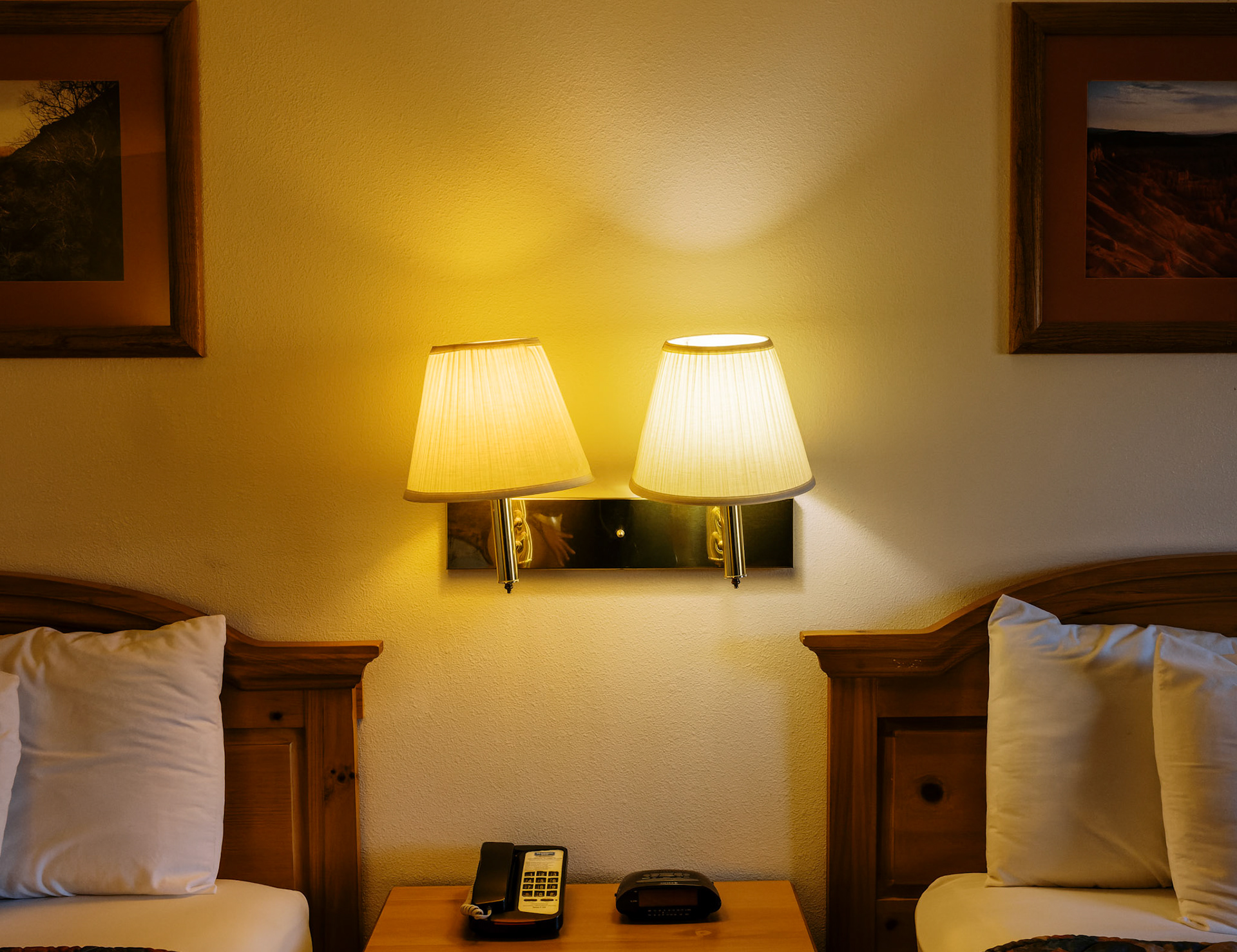
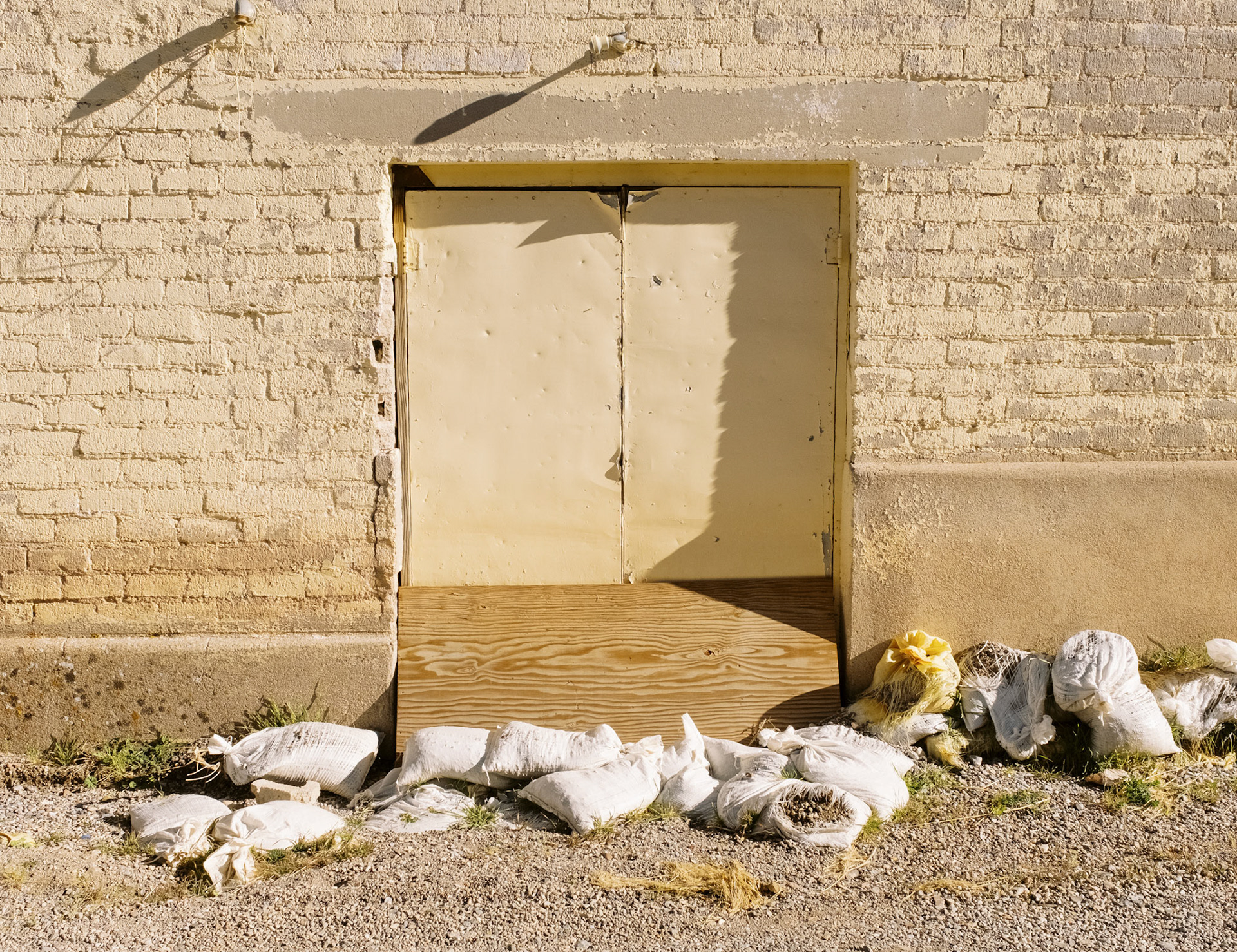
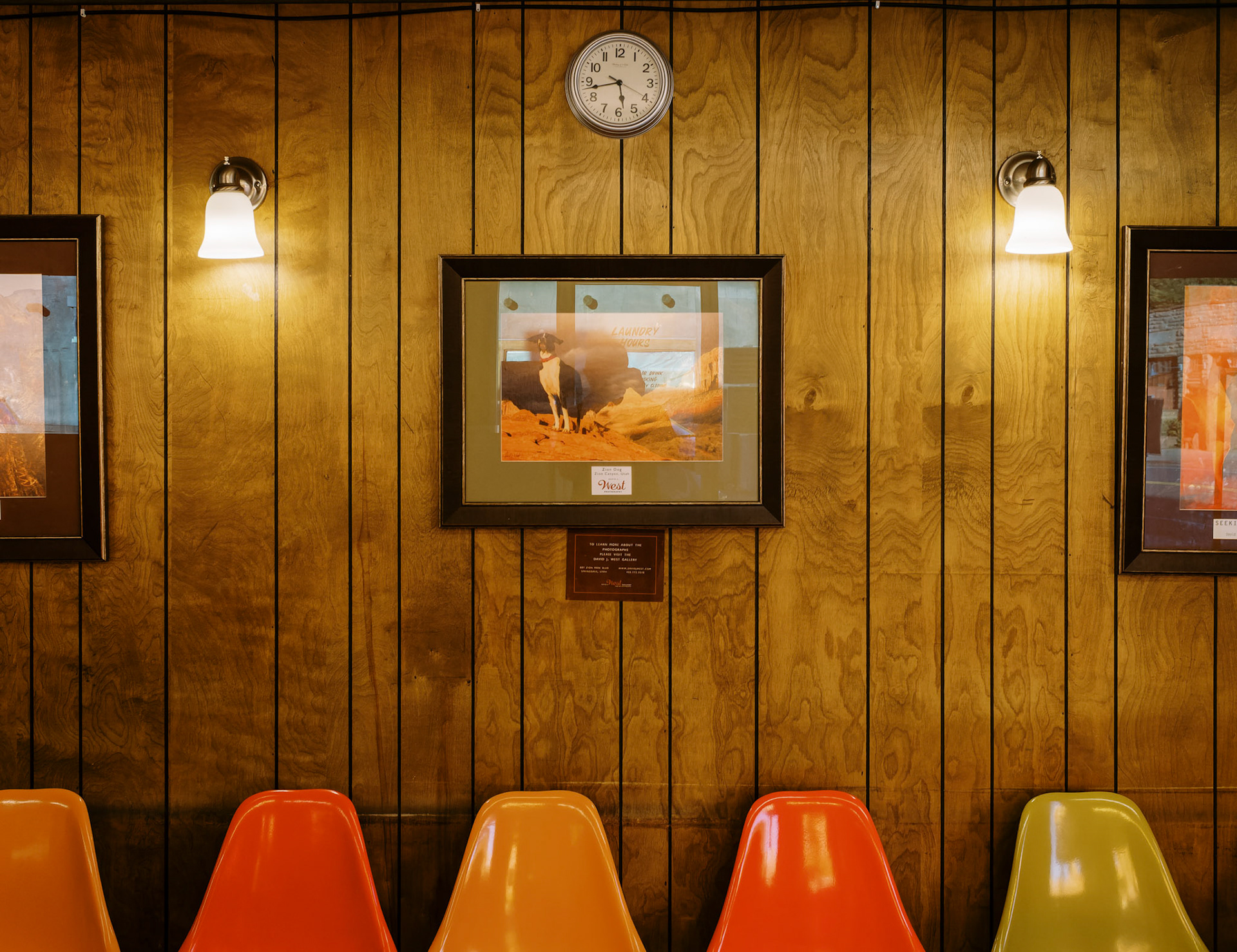
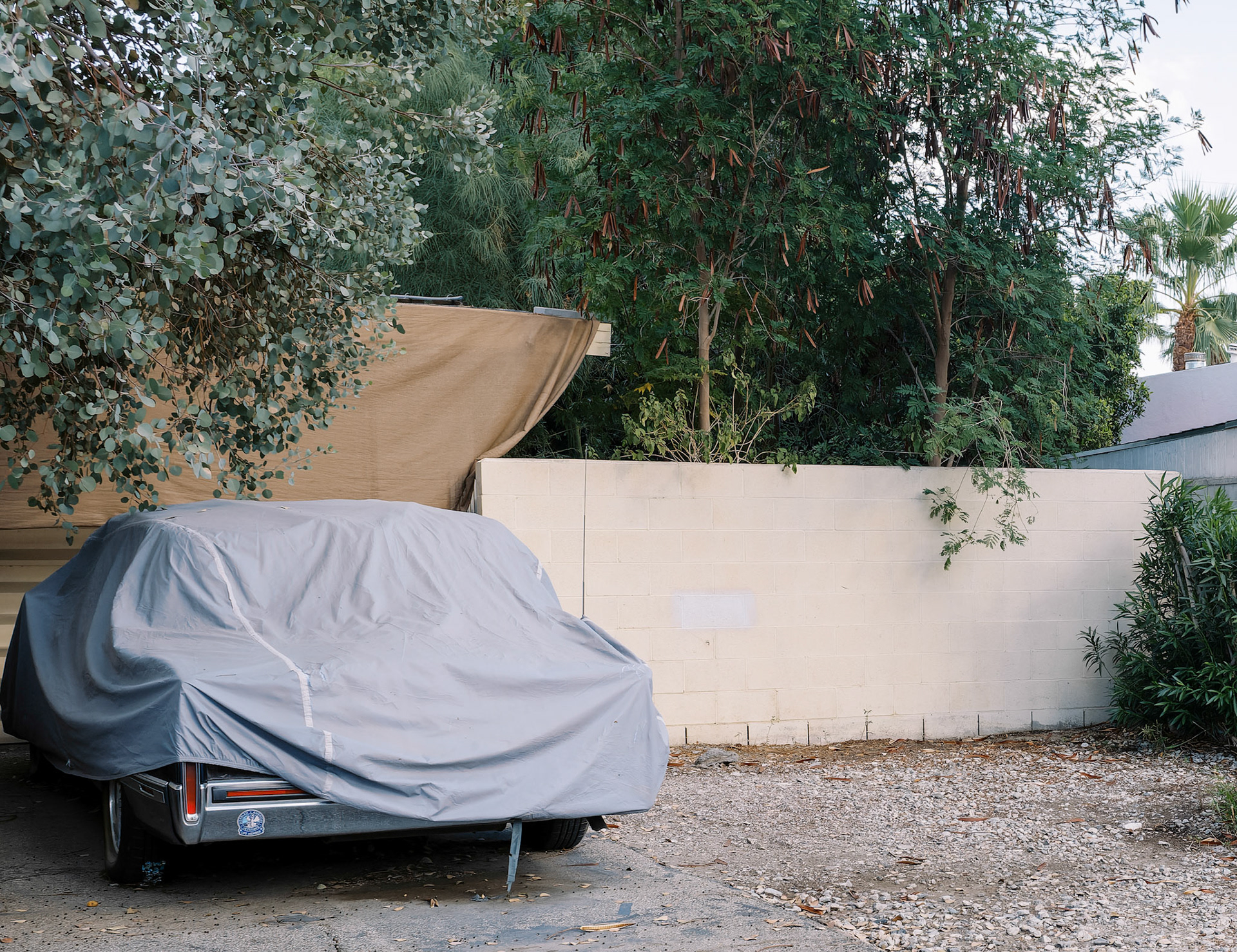
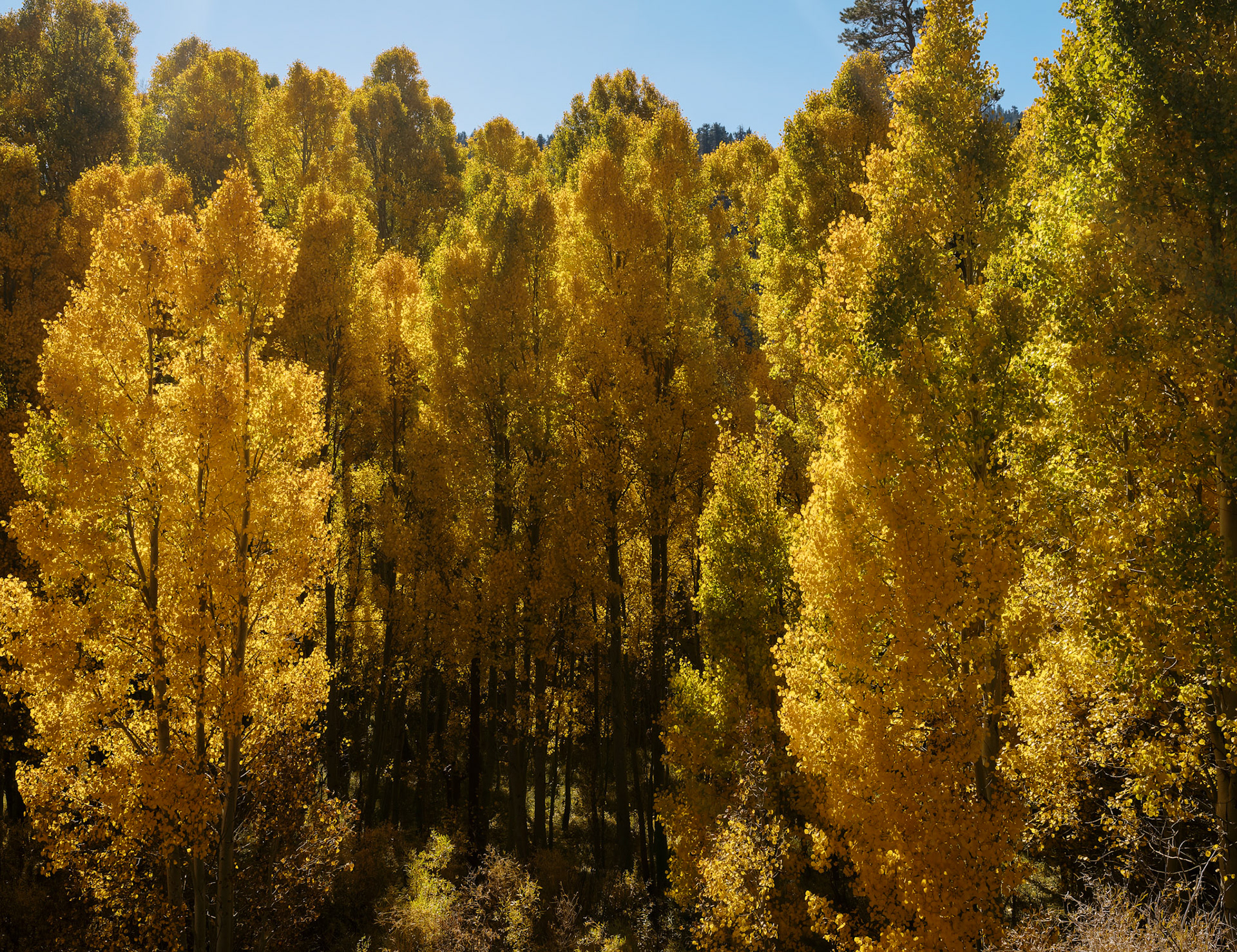
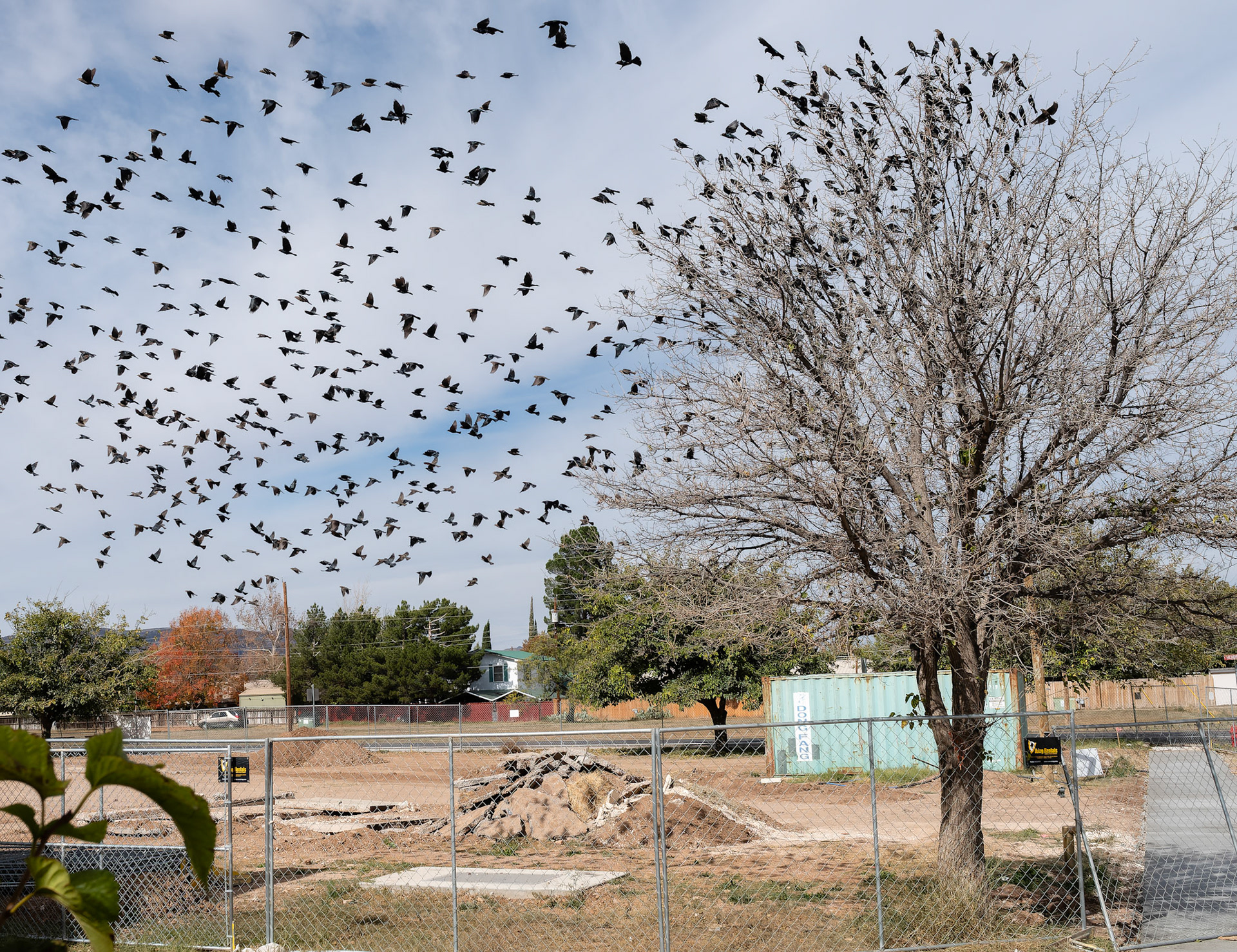
The Quiet Side is a photographic project developed on the margins of dominant narratives. It focuses on ordinary places - institutional buildings, houses, parking lots, motels, churches and parked RVs - observed from a distance, without direct human presence. The images depict spaces that are occupied, organized, sometimes abandoned, but always silent. Architecture becomes a language: façades, fences, tarps, numbers, flags - minimal signs of order and control. Nothing is spectacular. Everything remains in place. This work shows what persists once activity has withdrawn. The State, religion, domestic space, and intimacy continue to exist through their material forms, even when bodies have disappeared from the frame. The places seem to function on their own, sustained by a form of social and political inertia. The interiors - which appear sparingly - do not describe individual lives, but temporary uses: sleeping, waiting, passing through. The exterior spaces, meanwhile, form a geography of thresholds: gates, porches, passages, and intermediate zones where nothing is fully decided. Nature appears toward the end of the sequence, not as a refuge, but as a moment of breathing. Trees, wind, and birds introduce a suspension, a loosening of structure, without offering resolution. The Quiet Side does not document a specific territory. It observes a condition: that of a world that remains organized and maintained, sometimes fragile, where silence becomes an active form of presence.